
Welcome to Seybold report, your source for real estate news. Today we’ll put some light on the high trend of migration of real estate investors towards Miami.
Miami, the most populous city of South Florida, is well-known as a financial hub. In recent years, Miami has seen a huge change in the trend of real estate investments. The migration of foreign homebuyers has been increased in a noticeable way in Miami. A recent study says that between 2017 and 2018, foreign investors have purchased $22.9 billion worth of Miami real estate. It sounds good, isn’t it?
Foreign buyers, especially from Canada and Brazil bought around 52000 properties last year. It is a big investment in real estate.
Let’s check out the reason that attracts foreign migration in the field of Miami real estate.
Sunny Isles Beach
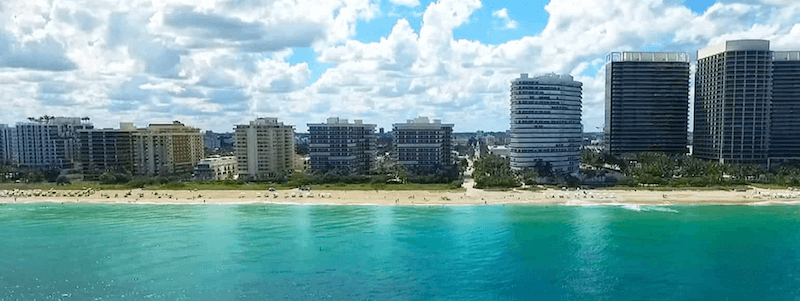
This beach city attracts investors a lot, especially from Russia. It is located on a barrier island in northeast Miami-Dade County. The picturesque view of the Atlantic surrounding the city can make you spellbound. Russian investors like this place a lot because of its sunny atmosphere. It’s a winter home for many Russians. It is also a popular tourist destination. President Donald Trump has invested here for his few recent properties in Miami.
Sunny Isles is becoming more beautiful, luring deluxe new high rises similarly to upmarket hotels. A part of the rationale is Associate with nursing investment within the prime oceanfront realty. The Newport Fishing Pier, such as, is Associate in Nursing picture a part of Sunny Isles–a terra firma fishing pier 1st in-built the Nineteen Thirties once it absolutely was known as the Sunny Isles Pier.
So declared unsafe and derelict within the Nineteen Eighties and later reconditioned and reopened beneath its new name of Newport Fishing Pier. The enduring walk into the ocean is found at Sunny Isles Beach Avenue and Collins Avenue is that the access purpose to Sunny Isles Beach. These reasons have made this gorgeous city a real estate investment hub.
Brickell City Centre
Brazilian and Argentine investors are very interested in buying properties near this newly built city center. This is a perfect blend of shopping, living, amusements, and work. This awesome mix-up has made this place favorite for global investors. It guarantees a good return on your investments. Undoubtedly, any investor would like this place.
Paramount Worldcenter downtown
The area surrounding this newly constructed world center is the best attraction for Chinese investors. It is expected as soon as the direct flight would be operational between Miami to Shanghai in the next two years, the investment will reach up an unbelievable level. Other investors from different corners of the world are also keenly focused on this business hub. It is expected this particular area of Miami will lead the real estate world soon.”
Many new downtowns are being developed in this region. Actually, the lifestyle of Miami is just amazing. This turns on the investors with a guarantee of return against their investment.
The new generation takes this place as living heaven. Recently, Neslihan Havutcu, wife of renowned football coach of Istanbul, Tayfur Havutcu bought one of the units at Armani residents in the Design Districts, where the starting price is 2.2 million USD. She is completely turned on by the cool lifestyle of Miami. She keeps Miami as number one for the list of top vacation homes.
Well-to-do Turks are also keeping on investment in Miami Real estate. They are often building up vacation homes here. This is simply because of the huge cash flow in Miami. The special public adjuster Miami also plays a great role in real estate investment in Miami.
The country’s flow of individuals into Miami has fluctuated over time. The Cubans flew during Fidel Castro Run. Then Argentines became a large part of the new Spanish speakers in the city, followed by Colombians within the 80s, Brazilians within the 90s, Russians within the 00s, and currently in the rising market universe, it’s the Turks who are the investment king of Miami real estate.
Miami developers have reviewed the housing bubble. Back then, they were extremely leveraged, then were their patrons. plenty of the mortgages sold-out to the domestic market were unsupported and it reduced onerous in 2008, symptom alternative comes added double-geared towards the foreign capitalist.
Today, foreign patrons are seen by the market because of the most secure thanks to hefty down payments, if not outright money acquisitions. Consistent with the connected cluster, seventieth of their homes are being bought by foreigners in money deals.
They’re not alone. Alternative developers like Swire Properties are seeing the same reason, which makes them less dependent on loans once a building.
No investor would like to see his or her million dollars of investment is giving an output of zero. From this point, Miami always has played the role of a satisfactory return provider. This factor attracts investors of other parts of the U.S.A and various countries around the globe.
This is a very common prediction that Miami is going to be more beautiful, posh, and attractive in the next five to ten years. Most of the investors are trying to build new vacation homes, living apartments, and shopping areas in Miami. This will turn into a fruitful investment as per their prediction.
I hope that this article helps you to understand the current trend of the real estate business in Miami. Not only U.S investors but also investors from a different corner of the globe are seeking a new construction opportunity over here. If you’d like to talk to a Miami real estate friendly chat line for free representative don’t hesitate to go to realdeal
The eye-catchy views, amazing style of living, numerous numbers of shops, city center are the main attractions of Miami, which ensure that the right investment into real estate will never ever lead towards a disappointing return.
Every time people will fall in love with Miami, they would dream of their vacation home in this gorgeous city. Like any other industry, real estate also goes by the demand and supply theory. The more demand is there, the more supply will be required.
Building up high rises, deluxe hotels, and lure apartments will definitely give you the desired profit you ever planned off.
It is expected, that this increasing demand for luxurious apartments will remain continued in the forthcoming time as well. Invest in Miami Real estate and let the wheel of fortune spin for you.